Six legends of the Alhambra that guides still tell
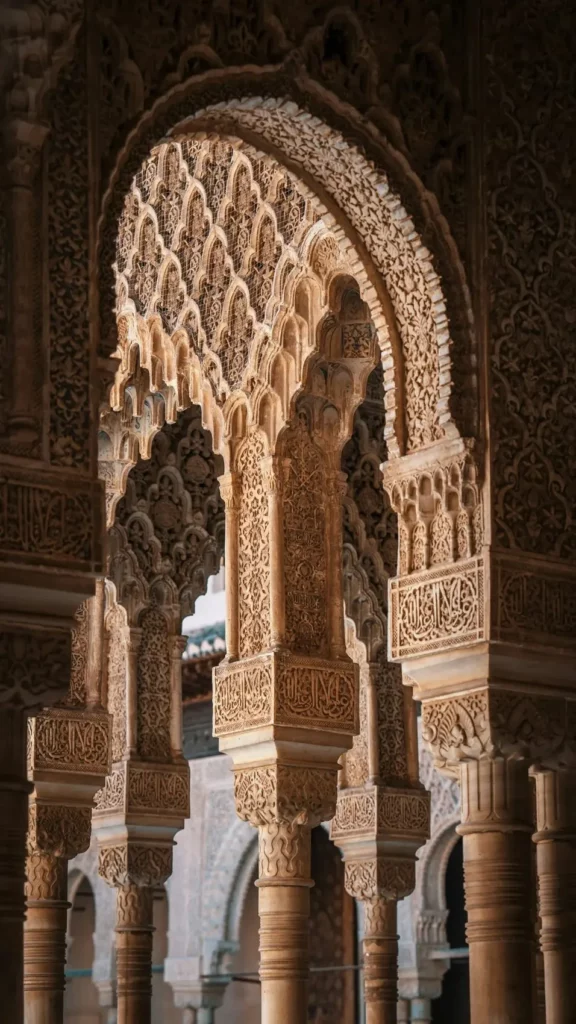
The Alhambra is not only stone, plaster and water. It is also stories, some documented, some invented, most somewhere in between. These are the legends of the Alhambra that our guides tell most often, and the places where you can still feel them.
1. The massacre of the Abencerrajes
The Abencerrajes were one of the most powerful families of Nasrid Granada. The legend says that the sultan, convinced that one of their knights was having an affair with the sultana in the Generalife, under the cypress that still bears her name, invited the men of the family to a feast in the palace. One by one they were led into a hall and beheaded over its fountain.
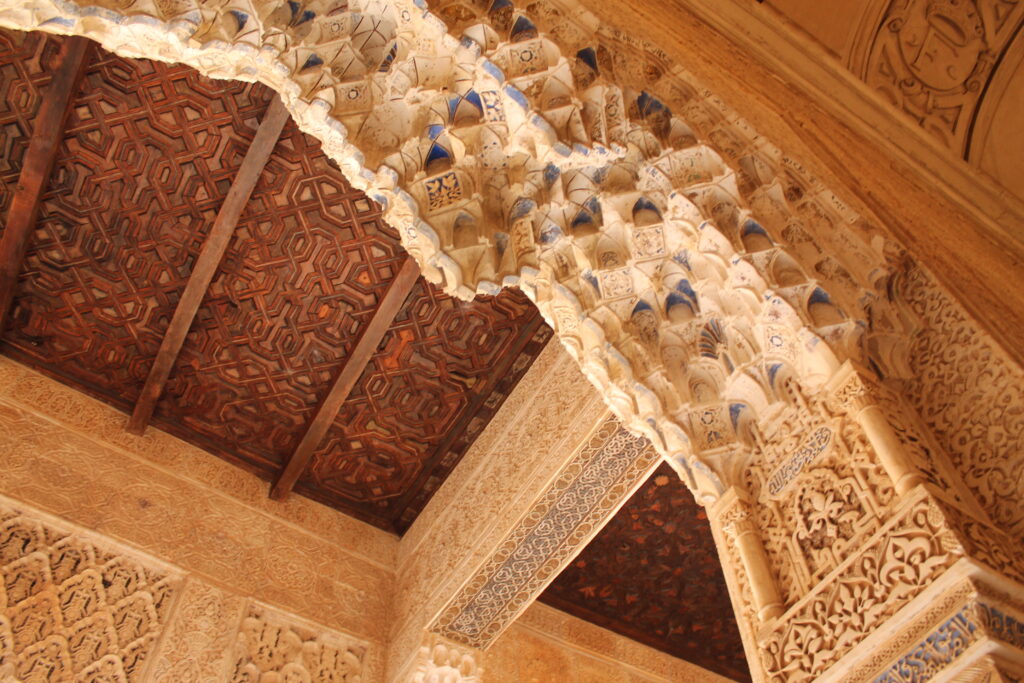
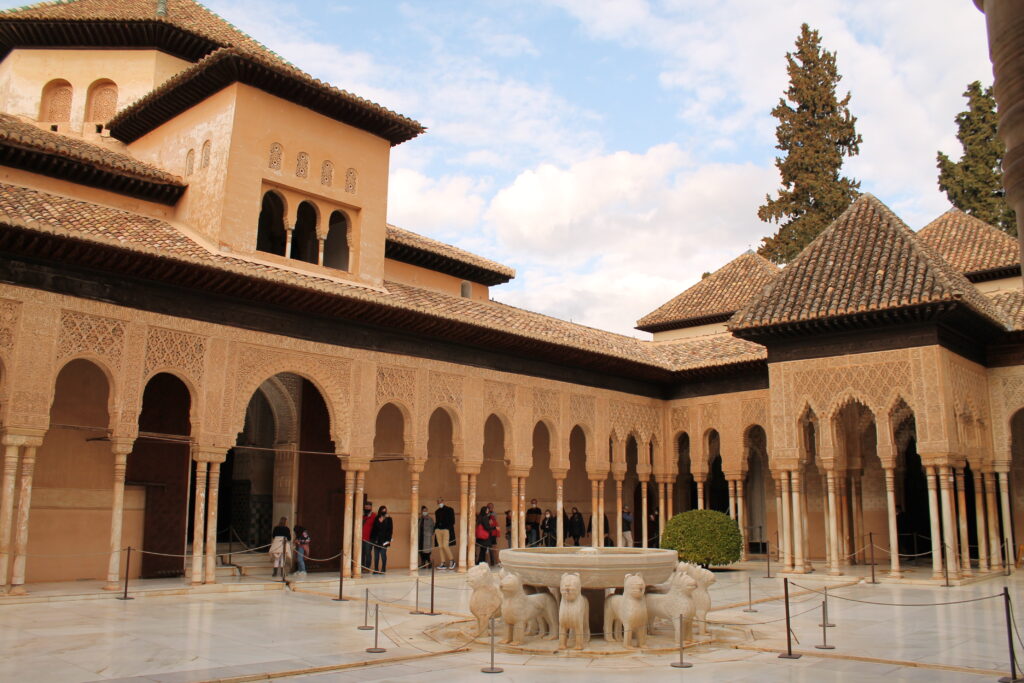
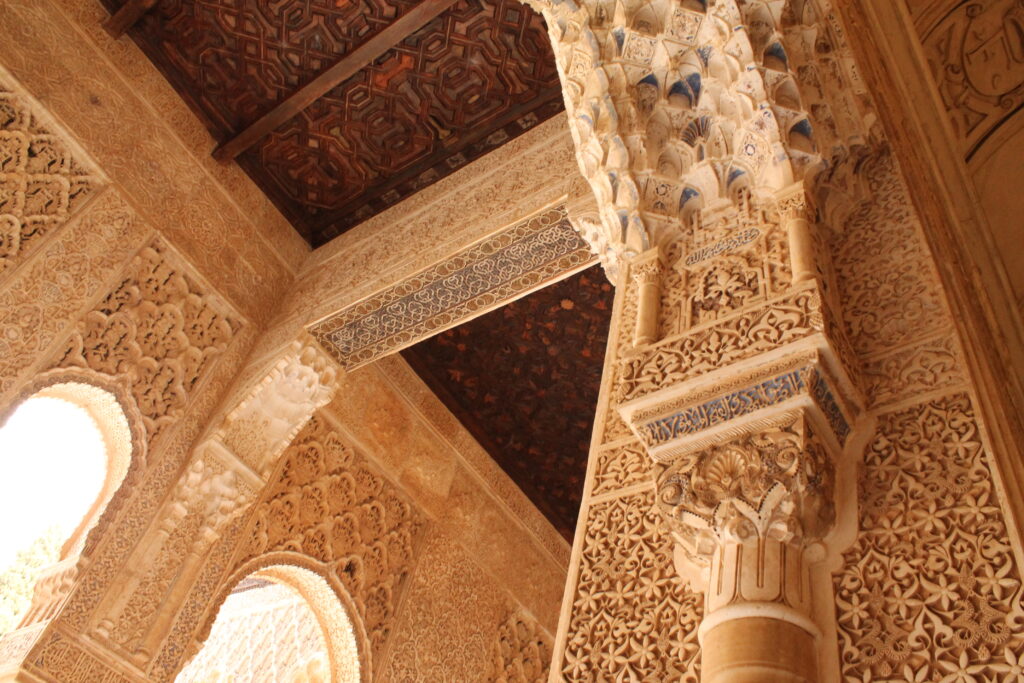
That room is the Hall of the Abencerrajes, next to the Court of the Lions. Look at the marble basin in the floor: the reddish stains, the legend says, are their blood. Scientists say iron oxide. The hall, with its star-shaped muqarnas dome, is beautiful enough to make you forget either version.
2. The Moor’s last sigh
On 2 January 1492, Boabdil (Muhammad XII), the last Nasrid sultan, handed over the keys of Granada to the Catholic Monarchs. On his way south towards exile, at a mountain pass, he turned around to look at the city for the last time and sighed. His mother, Aixa, is said to have told him: “Weep like a woman for what you could not defend like a man.” The pass is still called El Suspiro del Moro, the Moor’s Sigh. Historians doubt the phrase; nobody doubts the sadness.
Every legend of the Alhambra is, in the end, a story about losing it.
3. The sultan buried on the highest mountain
The highest peak of mainland Spain, at 3,479 metres, is in Sierra Nevada and can be seen from the Alhambra on clear days. It is called Mulhacén, after Muley Hacén, the sultan who was Boabdil’s father. The legend says that when he died, his body was carried up the mountain and buried in secret at the summit, so that no one could ever disturb it. No tomb has ever been found.
4. The hand and the key
On the outer arch of the Gate of Justice there is a carved hand; on the inner arch, a key. Their meaning is debated (the five pillars of Islam, faith opening the gates of paradise), but the popular legend is more dramatic: the day the hand reaches down and takes the key, the Alhambra will fall, or the world will end. You can see both for free, in the public area of the monument.
5. The bell of the Watchtower
The Christian flags were raised over the Torre de la Vela, in the Alcazaba, in 1492, and its bell has marked the hours of the Vega’s irrigation for centuries. Every 2 January, anniversary of the surrender, the tower opens to the public and tradition says that a single woman who rings the bell that day will be married within the year.
6. The American writer who saved the Alhambra’s fame
In 1829 the American writer Washington Irving lived for a few months inside the Alhambra, which was then half abandoned. He listened to the stories of its neighbours and wrote Tales of the Alhambra (1832), a mix of travel book and legends: buried treasures, enchanted princesses, Moorish ghosts. The book was a success all over the world and made the Alhambra a must for romantic travellers, helping to bring it back from oblivion. A plaque marks his rooms, which you pass at the end of the Nasrid Palaces.
Legends with a guide
Each of these stories has a place in the monument: a hall, a gate, a tower, a cypress. On our guided tours of the Alhambra, our certified guides tell them exactly where they happened. Keep reading: the Court of the Lions, the Nasrid motto and how the Alhambra survived earthquakes.